Copier Leasing vs. Buying: A Guide for Maine Businesses
Compare copier leasing and buying by cash flow, ownership, service costs, and business needs before choosing equipment for your Maine office.
By JR Copier · Maine office equipment guides
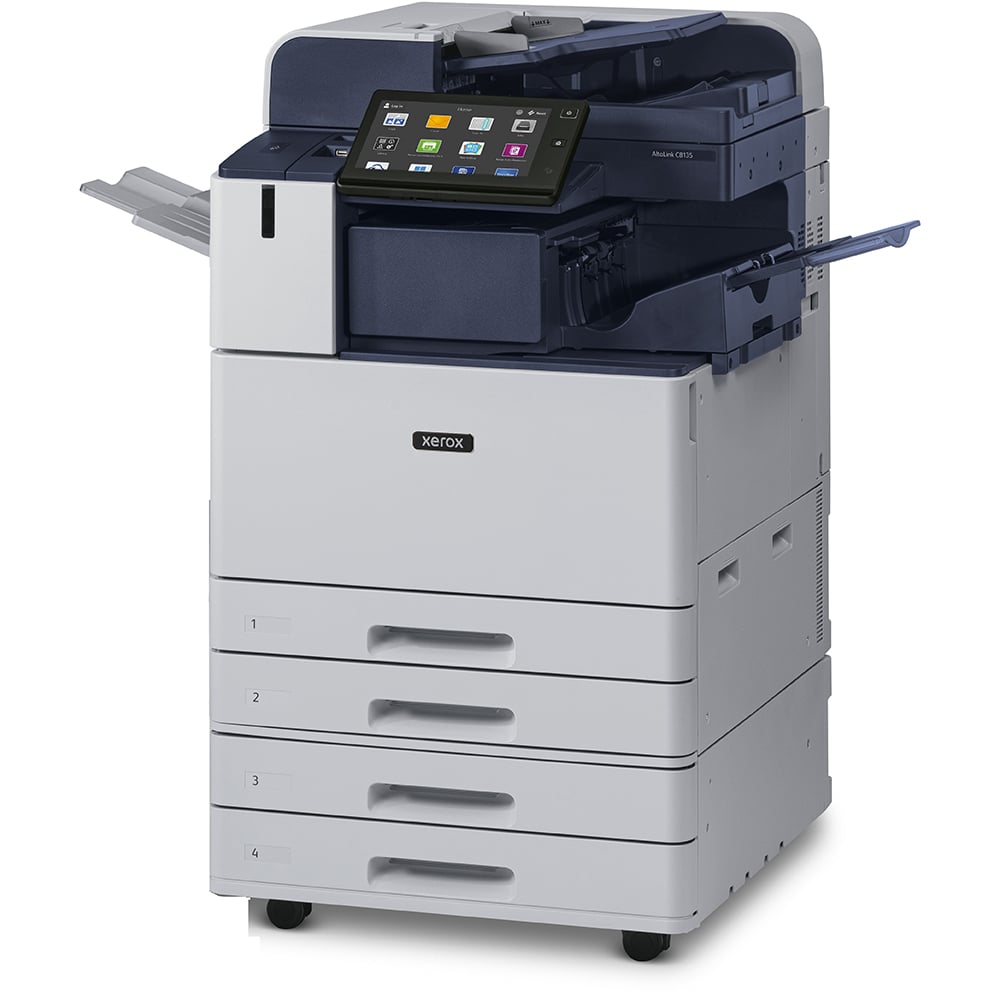
The right way to acquire a copier depends on how your office uses it, how long you expect to keep it, and which costs you can comfortably carry. A low monthly payment alone does not settle the decision. For a Maine business comparing copier leasing options with an outright purchase, the useful starting point is the same: define the equipment and service you actually need, then compare equivalent proposals.
Start with the work, not the payment
List your regular document jobs: invoices, customer packets, reports, scanning, and occasional large print runs. Record monthly black-and-white and color meter readings when available. Note required paper sizes, duplex printing, and finishing. This prevents a financing choice from hiding an equipment mismatch.
Use the same requirements for both proposals. A compact printer and a floor-standing copier with extra paper trays are not interchangeable just because their headline prices seem comparable. Our office printer buying checklist helps turn those requirements into a shortlist.
Compare cash flow and total commitment
Buying normally concentrates the equipment cost at the start, while leasing distributes payments over a contractual term. That can make leasing useful when preserving working capital matters, but it does not automatically make the equipment cheaper. A purchase may suit a stable office that intends to keep a suitable machine for a longer period.
Compare the full scheduled lease payments and any initial or end-of-term charges with the purchase proposal. Keep service, supplies, taxes, delivery, and installation visible rather than assuming they are included. Ask your accountant how each arrangement would be treated for your business; tax outcomes are not universal.
Separate ownership from support
Ownership and maintenance are different decisions. A purchased copier may have a separate service arrangement, and a lease may or may not include toner, parts, labor, or a print allowance. Ask who handles support, how incidents are reported, and which exclusions apply.
Review upgrade language carefully. Moving to a different machine during a lease can involve an outstanding balance or a new agreement. Likewise, ownership at the end of a lease is not automatic: confirm the actual purchase option, return obligations, and notice requirements in writing.
Choose for your planning horizon
A stable team with predictable printing may favor ownership; a business balancing equipment needs against cash availability may prefer a lease. If the need exists only for a project or a temporary location, consider copier rentals instead of forcing a long-term decision.
Ask JR Copier to compare a matched purchase and lease configuration for your Maine location. Bring your usage figures, required functions, expected time in the premises, and available budget. Review the lease agreement checklist before committing, and use the written proposal—not assumptions about financing—to make the final choice.
Discuss your leasing requirements
Share your equipment needs, Maine location, and timing. Confirm pricing, availability, and service terms in your written proposal.
Explore copier & printer leasing