What to Check Before Signing a Copier Lease
Review copier lease terms, print allowances, service coverage, renewal notices, and return conditions before signing an equipment agreement.
By JR Copier · Maine office equipment guides

A copier lease should be readable as a business commitment, not just a monthly price. The agreement can cover equipment financing, while a separate document governs maintenance and supplies. Before accepting a copier or printer lease, make sure the equipment schedule, payment schedule, and service terms describe the same arrangement. Keep copies of the proposal and every document you are asked to sign.
Match the equipment to the proposal
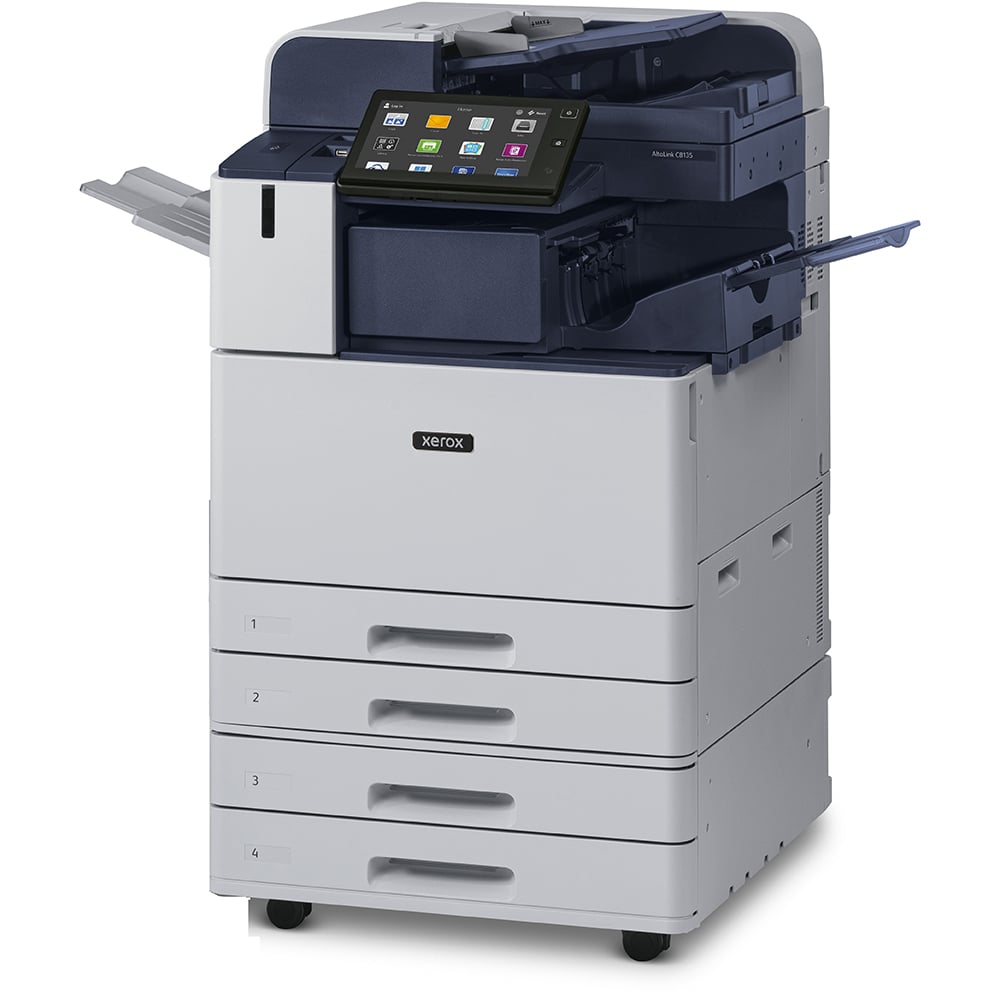
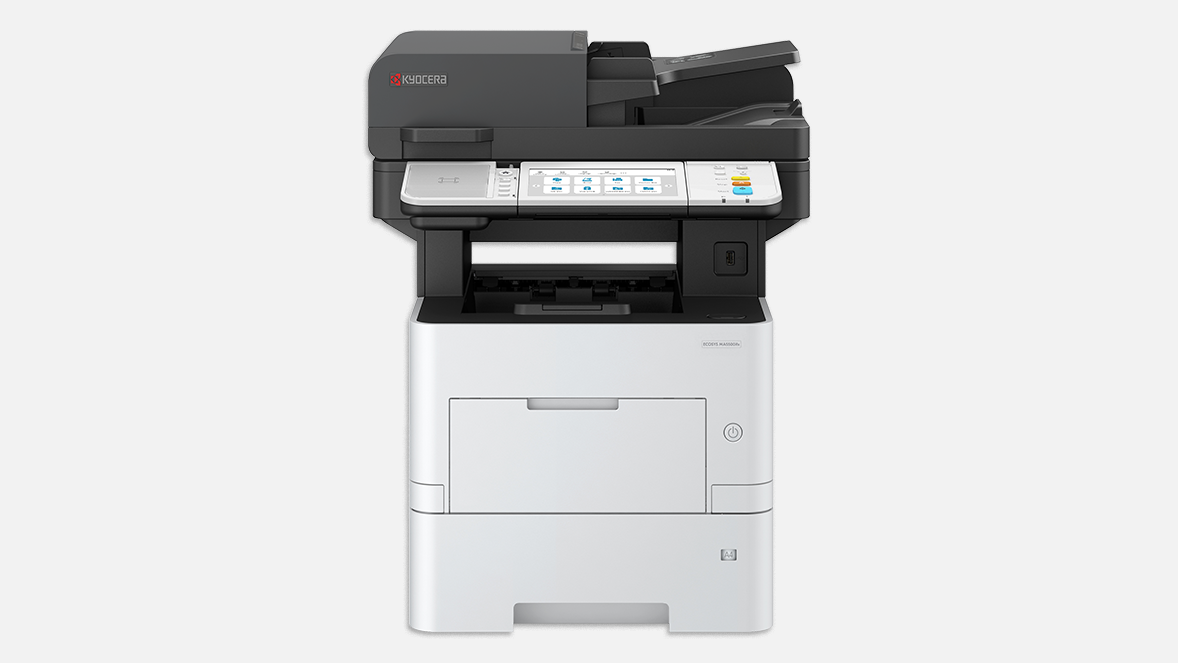
Confirm the model, condition, accessories, and installation scope. Paper drawers, a document feeder, finishing options, network setup, and scanning configuration can materially change what staff can do. If an accessory is needed for a routine workflow, it should appear in the written equipment description rather than only in a conversation.
Identify the equipment supplier, financing party, and service provider. They may have different responsibilities. Ask when billing begins and what signifies delivery acceptance, particularly if installation or training takes place after the machine arrives. Keep a record of anything still outstanding.
Understand every payment component
Check the term, scheduled payment, initial charges, taxes, and any variable amounts. If printing is billed separately, identify included black-and-white and color impressions, overage rates, minimum charges, and any permitted increases. Ask how duplex sheets and larger paper sizes are counted by the agreement.
Do not compare two quotes until their print assumptions match. Our guide to copier lease costs explains why an apparently lower payment can cover a different machine or a smaller allowance. Request a worked billing example based on your actual usage rather than a promotional volume.
Read service and downtime terms
Find out whether toner, drums, other wear parts, labor, travel, and preventive visits are covered. Paper and specialty media may be separate. Ask what happens if parts are unavailable, whether a temporary replacement is offered, and which circumstances fall outside coverage.
A response target is not the same as a completed repair. Clarify reporting hours, escalation contacts, and how your location affects scheduling. When reviewing repair and maintenance options, ask for written service terms rather than assuming the financing contract guarantees uninterrupted operation.
Plan the ending before the beginning
Look for renewal provisions, notice deadlines, return instructions, shipping responsibilities, and end-of-term purchase options. Ask how relocation, business closure, or an early upgrade would be handled. An upgrade is not necessarily a release from the original financial obligation.
Assign one person to keep the documents and calendar reminders. Before signing, resolve blanks or conflicting terms with the provider; seek professional advice for legal or accounting questions. A clear agreement should let you explain what you are receiving, what you will pay, and what you must do when the term ends.
- Exact equipment and accessories recorded
- Fixed and variable charges identified
- Service responsibilities and exclusions understood
- Renewal, return, and purchase conditions documented
Discuss your leasing requirements
Share your equipment needs, Maine location, and timing. Confirm pricing, availability, and service terms in your written proposal.
Explore copier & printer leasing